How to Choose Hay
Best Hay for horses
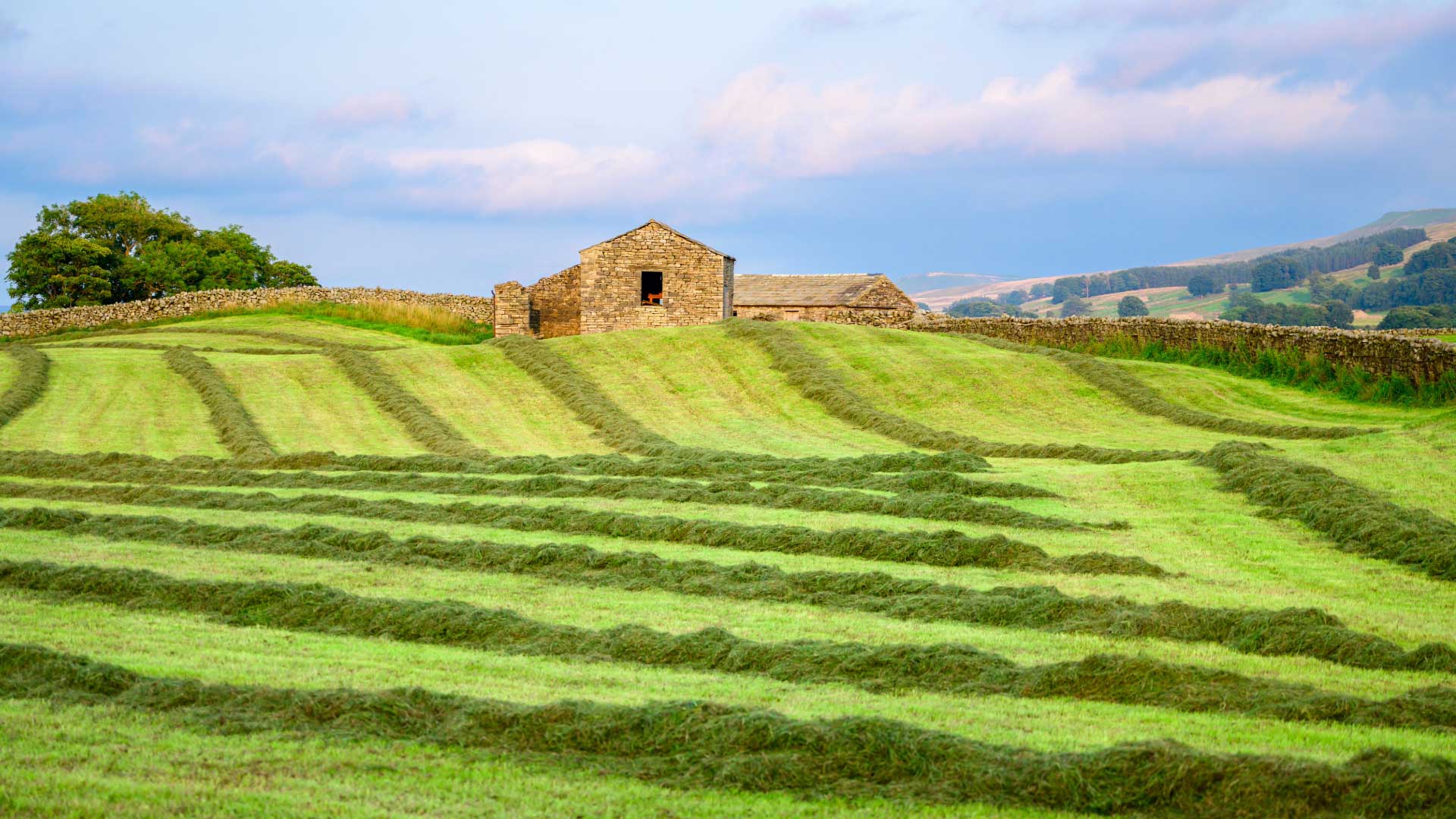
Livestock hay and Conservation hay can both work for horses if it is made in the right way. and both Conservation Hay is a term used to describe hay taken from land which has had minimal or no feeding, herbicides or cultivation. The result is an increase in grass and herb species and a lower yield , usually just 1 cut per year. The grass is left until late July for the seed head to drop and repopulate the soil . This means less starch (from the seed heads), higher fibre content from the stems and the sugar levels drop as the glucose is stored in the roots.
Included in this category are Wildflower meadows, which are grown for diversity of insect life and soil health. These hays can test a bit high in potassium because of the nitrogen-fixing plants in the sward. They can have a very useful function when fed mixed in with a more bland hay to add variety.
It is not widely available today, but with a greater diversity of plant species, grown in lower fertility soils, it is often more appropriate for the equine digestive system.
Livestock Hay
Livestock Hays are grown for putting weight on livestock. They are often extremely palatable and have higher nutritional value than meadow hay. The crop tends to bring in more revenue for the farmer because by adding fertility to the soil in the form or synthetic and farmyard manure NPK, rapid leaf growth is encouraged and several cuts can be achieved in a growing season. This means that production is often well-oiled and a very consistent product is achieved.
Some hays in this category do not fit this description, but because the grass species are limited and the soil fertility is high, the hay still performs as a highly nutritious forage and may only be suitable for horses with high calorific requirements.
Compromised Horse Hay
These hays are as close as possible to 'empty fibre' for horses with metaboilic problems The aim is to feed horses ad lib fibre, even those who are overweight avoid weighing and soaking hay for laminitics
Support Re-Naturing Farming practices